
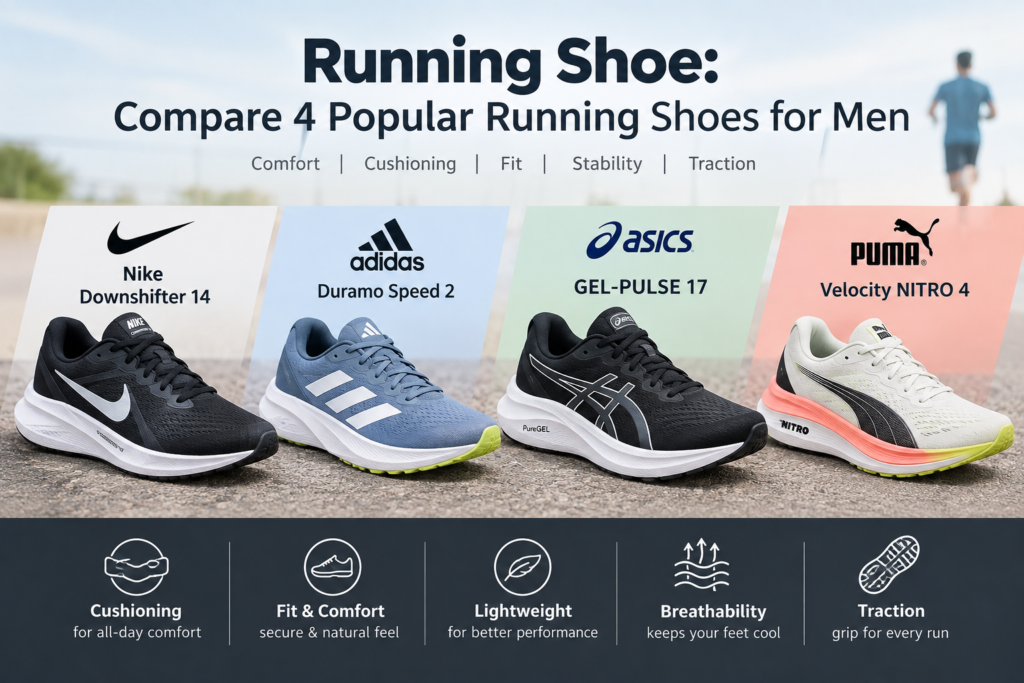
Finding the right running shoe can make your workouts more comfortable and enjoyable. Whether you are a beginner, a regular runner, or someone preparing for longer road sessions, the right pair should provide a comfortable fit, suitable cushioning, good stability, and dependable traction.
Nike, adidas, ASICS, and PUMA offer several options for different types of runners. In this guide, we compare the Nike Downshifter 14, adidas Duramo Speed 2, ASICS GEL-PULSE 17, and PUMA Velocity NITRO 4 to help you find a pair that matches your running needs.
What to Look for When Buying Running Shoes
Choosing the right footwear is about more than selecting a familiar brand. Your running frequency, preferred surface, foot comfort, and training goals should all influence your decision.
1. Cushioning
Cushioning contributes to comfort when your feet repeatedly make contact with the ground. If you regularly run on roads or other hard surfaces, consider how much cushioning feels comfortable for your running style.
Some runners prefer a softer feel, while others like a firmer and more responsive ride.
2. Fit and Comfort
A good pair should feel secure without putting excessive pressure on your feet.
There should generally be enough space around the toes for natural movement, while the heel should feel stable. Trying footwear later in the day can also be useful because feet may swell slightly during the day.
3. Weight
The weight of your footwear can influence how it feels during training.
Lightweight models can feel quick and responsive, while shoes with additional cushioning or structure may appeal to runners who prioritize comfort during everyday workouts.
4. Breathability
A breathable upper can help improve comfort by allowing airflow around your feet. This can be particularly useful during longer sessions or when exercising in warm weather.
5. Outsole Grip
Traction is another important consideration for outdoor runners. If you primarily run on paved roads, look for a model designed for road surfaces and consider the type of grip you need for your usual routes.
1. Nike Downshifter 14
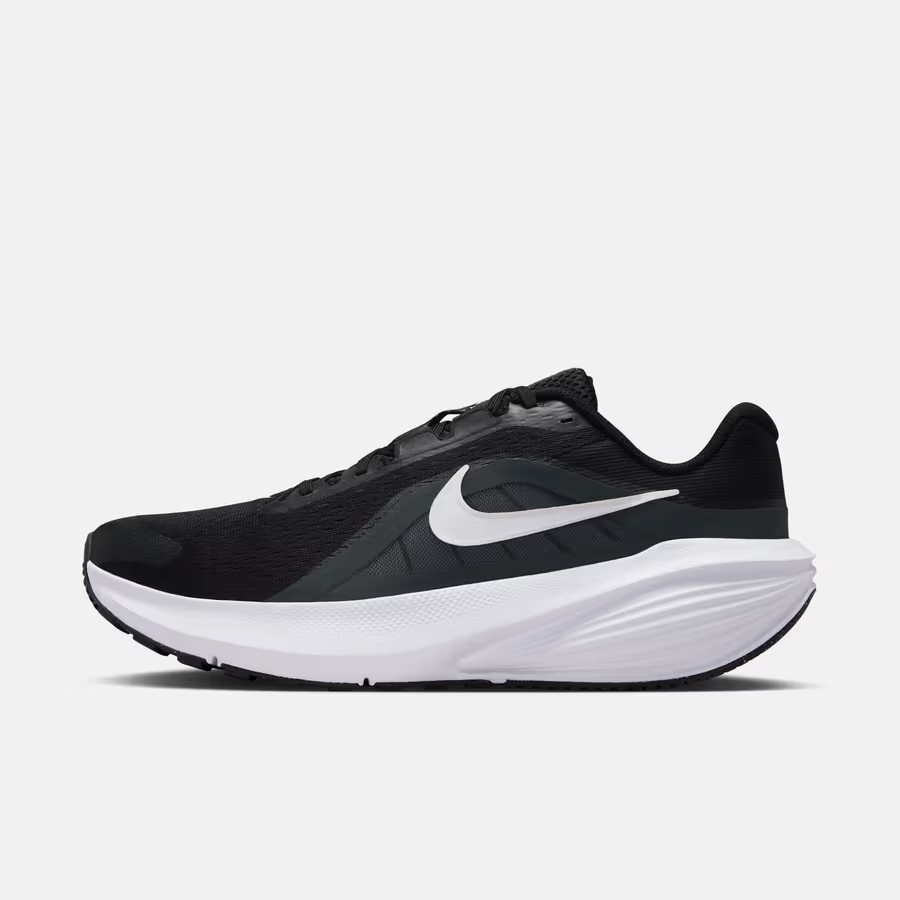
The Nike Downshifter 14 is a road-running model designed for everyday use. It can be a practical choice for people who want versatile footwear for regular runs, walking, and general fitness activities.
Its straightforward design makes it worth considering for beginners and casual runners who want an option from Nike.
Best for: Beginners, casual runners, and everyday road workouts.
Nike Downshifter 14 – Official Product Page
2. adidas Duramo Speed 2
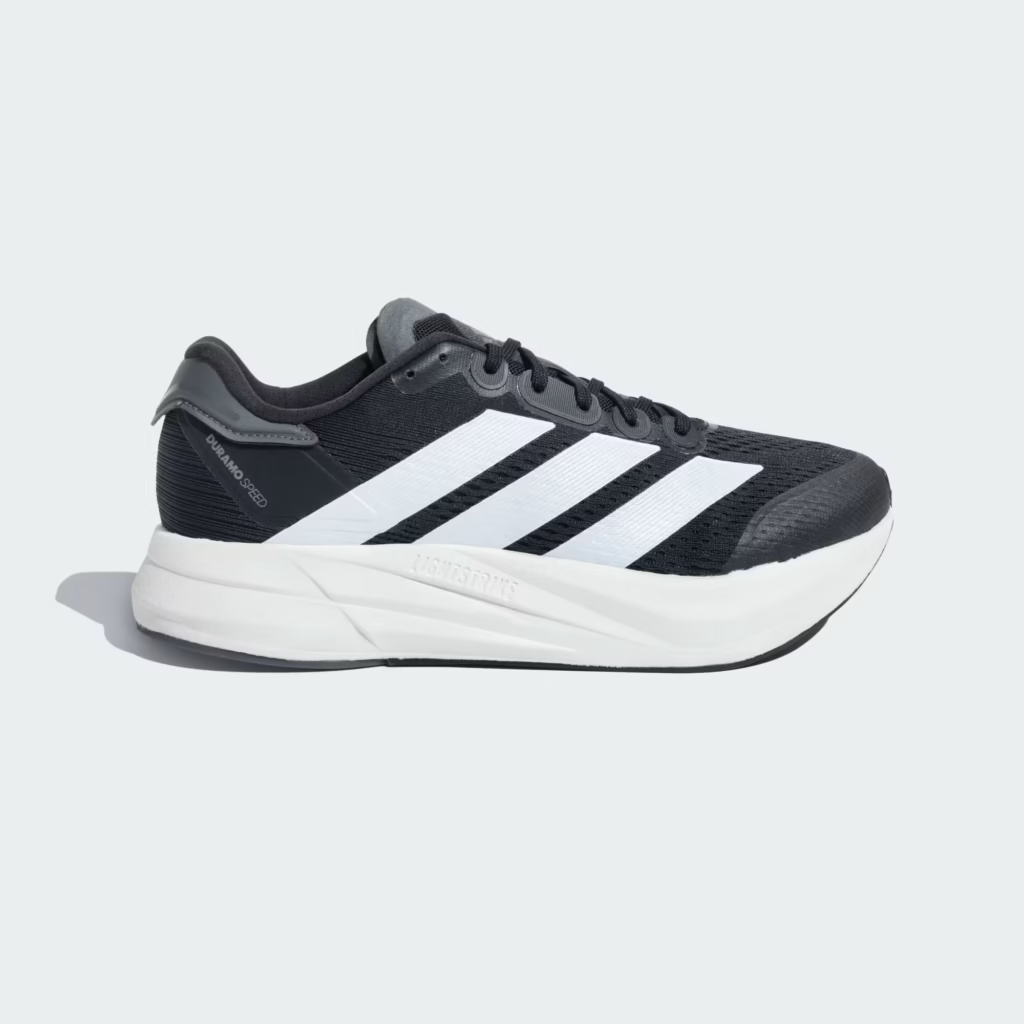
The adidas Duramo Speed 2 is designed for runners who want footwear suitable for regular training. It can be considered by people who prefer a lightweight and performance-oriented feel during their workouts.
For runners who include different types of training sessions in their weekly routine, this model is worth comparing with other options in its category.
Best for: Regular training and runners looking for a lighter, performance-focused option.
adidas Duramo Speed 2 – Official Product Page
3. ASICS GEL-PULSE 17
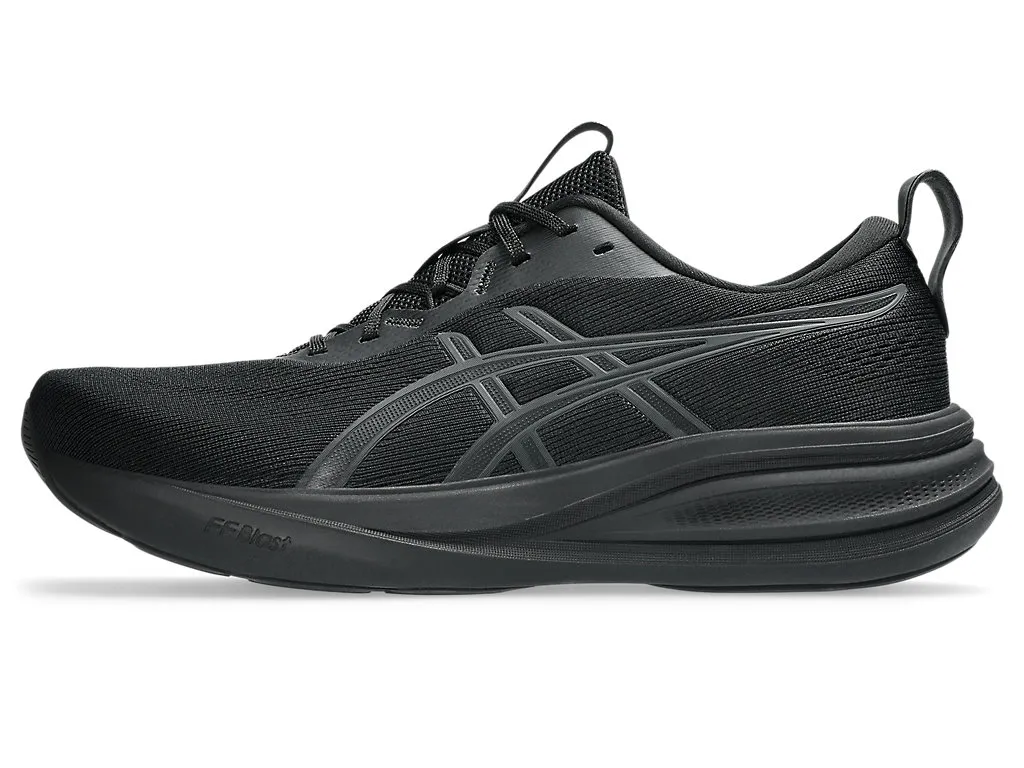
The ASICS GEL-PULSE 17 belongs to the GEL-PULSE family and is designed with everyday running in mind. It is worth considering if comfort is one of your main priorities when selecting footwear for regular road workouts.
The model can be particularly appealing to runners who want to explore ASICS’ approach to cushioning and everyday training.
Best for: Daily road workouts and comfort-focused runners.
ASICS GEL-PULSE 17 – Official Product Page
4. PUMA Velocity NITRO 4
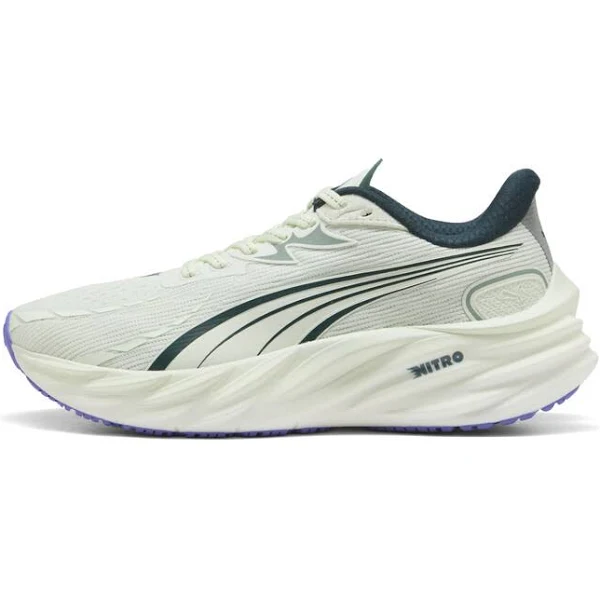
The PUMA Velocity NITRO 4 is a road-running model designed for runners who want versatile footwear for regular training and everyday sessions.
The Velocity NITRO range is worth exploring if you are looking for a balance between everyday usability and a responsive running experience.
Best for: Regular runners and road training.
PUMA Velocity NITRO 4 – Official Product Page
Running Shoe Comparison
| Model | Brand | Recommended Use | Suitable For |
|---|---|---|---|
| Downshifter 14 | Nike | Road workouts | Beginners and casual runners |
| Duramo Speed 2 | adidas | Training | Regular runners |
| GEL-PULSE 17 | ASICS | Daily running | Comfort-focused runners |
| Velocity NITRO 4 | PUMA | Road training | Regular runners |
Which Pair Should You Choose?
There is no single model that will be perfect for every runner. Your choice should depend on your experience, training routine, preferred surface, fit, and comfort preferences.
Nike Downshifter 14 for Beginners
If you are just getting started and want versatile footwear for regular road workouts, the Downshifter 14 is worth considering.
It can also work well for people who want a pair that fits into both running and general fitness routines.
adidas Duramo Speed 2 for Training
If you regularly train and prefer a lightweight, performance-oriented feel, the Duramo Speed 2 is an option to explore.
Consider it alongside other lightweight models to determine which fit and ride characteristics work best for you.
ASICS GEL-PULSE 17 for Comfort
Runners who put comfort high on their priority list may want to consider the GEL-PULSE 17.
It is designed for everyday running and is worth exploring if you prefer the feel of cushioned footwear during regular workouts.
PUMA Velocity NITRO 4 for Versatility
The Velocity NITRO 4 is another option for runners who want a versatile model for regular road sessions.
It can be considered by runners who want footwear that works across different everyday training activities.
Tips Before Buying
Before purchasing your next pair, keep these points in mind:
- Check the manufacturer’s size guide before ordering.
- Consider where you normally run.
- Make sure your toes have enough room.
- Check whether the cushioning feels appropriate for you.
- Consider the weight if you prefer a lightweight feel.
- Look at the latest product specifications.
- Compare available sizes and prices before purchasing.
- Prioritize fit and comfort over appearance.
- If possible, try the footwear on before making a final decision.
Road Running vs Other Types of Running Shoes
Not all running footwear is designed for the same surface.
Road Running
Road models are generally designed for paved surfaces such as streets, sidewalks, and running tracks. The four models discussed in this guide are intended primarily for road running.
Trail Running
Trail footwear is designed for uneven surfaces such as dirt paths, rocks, mud, and other off-road terrain. These models generally have features focused on traction and protection.
If most of your workouts take place on trails, look for footwear specifically designed for that environment rather than choosing a road-focused model.
How Should Running Shoes Fit?
Fit is one of the most important factors when buying new footwear.
Your heel should feel secure without excessive movement. The middle of the foot should feel comfortably supported, while the front should provide sufficient room for your toes.
Avoid choosing a pair simply because it looks good. A model that feels uncomfortable after a few minutes is unlikely to become more comfortable during a long workout.
If you are shopping online, check the manufacturer’s measurement and sizing information before ordering.
Frequently Asked Questions
What is the best running shoe for beginners?
There is no universal best choice for every beginner. Look for a comfortable fit, appropriate cushioning, good traction, and a design suitable for the surface where you plan to run.
The Nike Downshifter 14, adidas Duramo Speed 2, ASICS GEL-PULSE 17, and PUMA Velocity NITRO 4 are all worth comparing based on your individual requirements.
How often should I replace my running shoes?
Replacement depends on factors such as mileage, frequency of use, running style, terrain, and the condition of the footwear.
Instead of relying only on a specific mileage number, regularly inspect the outsole, midsole, and upper. Noticeable wear or a significant change in comfort can indicate that it is time to consider a new pair.
Can I use road running shoes every day?
Yes, road-running footwear can be suitable for regular use when it fits properly and is appropriate for your activities.
However, if you frequently participate in activities requiring specialized traction or protection, consider footwear designed specifically for those conditions.
Should running shoes feel tight?
They should feel secure but not uncomfortably tight. Your toes should have enough room to move naturally, and your heel should remain relatively stable while walking or running.
If you experience pressure, numbness, or discomfort, consider trying a different size or fit.
Are expensive running shoes always better?
Not necessarily. Price alone does not determine whether a particular model is suitable for you.
Fit, comfort, cushioning, durability, and intended use are more important factors. A moderately priced pair that fits well can be a better choice than an expensive model that does not suit your feet or running style.
Final Thoughts
Choosing the right running shoe starts with understanding your own requirements. Think about how often you run, where you run, the amount of cushioning you prefer, and how the footwear feels on your feet.
The Nike Downshifter 14, adidas Duramo Speed 2, ASICS GEL-PULSE 17, and PUMA Velocity NITRO 4 each provide different options for runners with different preferences.
Before purchasing, check the manufacturer’s current specifications, available sizes, colors, and pricing. Most importantly, choose a pair that feels comfortable and secure so you can focus on enjoying your runs and maintaining a consistent training routine.